Does a Motorcycle Bluetooth Headset Fit All Helmets?
Motorcycle Bluetooth headsets have become a must-have gadget for riders who want to stay connected, listen to music, or use GPS while riding. But before you buy one, there’s an important question every rider asks:
Does a motorcycle Bluetooth headset fit all helmets?
The short answer: Most Bluetooth headsets are designed to fit nearly all helmets, but not every single one. The compatibility depends on your helmet type, internal padding, and installation options.
In this guide, we’ll break down everything you need to know about Bluetooth headset and helmet compatibility, including the best helmet types, installation tips, and frequently asked questions.
Why Helmet Compatibility Matters
Unlike earphones or standard headsets, a motorcycle Bluetooth headset needs to be mounted directly onto your helmet. That means it must fit:
-
On the outer shell (using a clamp or adhesive mount).
-
Inside the helmet padding (to place the speakers near your ears).
If your helmet lacks the right structure or padding space, installation can be tricky. That’s why understanding compatibility before buying is crucial.
Do Bluetooth Headsets Fit All Helmets?
Most motorcycle Bluetooth headsets are marketed as “universal fit” because they use two common mounting methods:
-
Clamp Mounts – Slide between the helmet shell and padding, providing a secure grip.
-
Adhesive Mounts – Stick directly onto the helmet’s outer shell for helmets without clamp space.
For speakers, many helmets already come with ear pockets or cutouts, making installation easier. If your helmet doesn’t have them, you can still install the speakers, but it may feel less comfortable.
So while Bluetooth headsets are not literally one-size-fits-all, they are compatible with most standard helmets.
Which Helmets Work Best with Bluetooth Headsets?
Here’s a breakdown of helmet types and how well they work with motorcycle Bluetooth headsets:
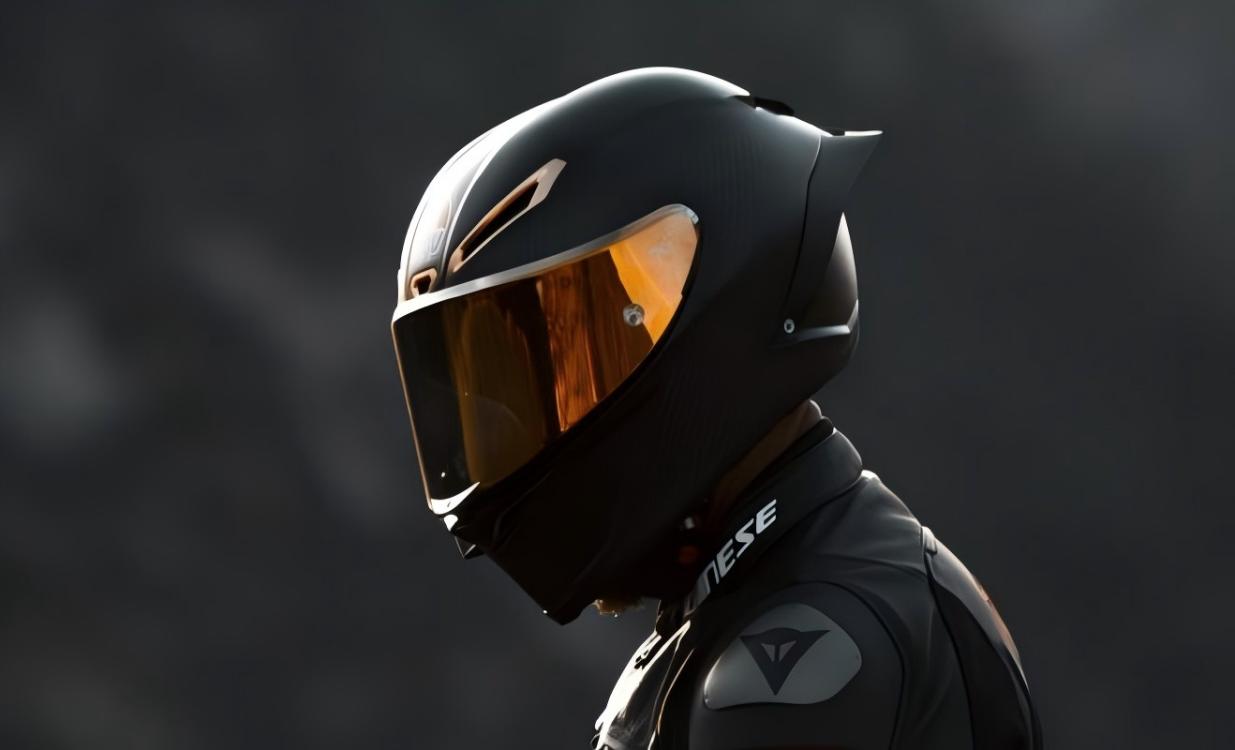
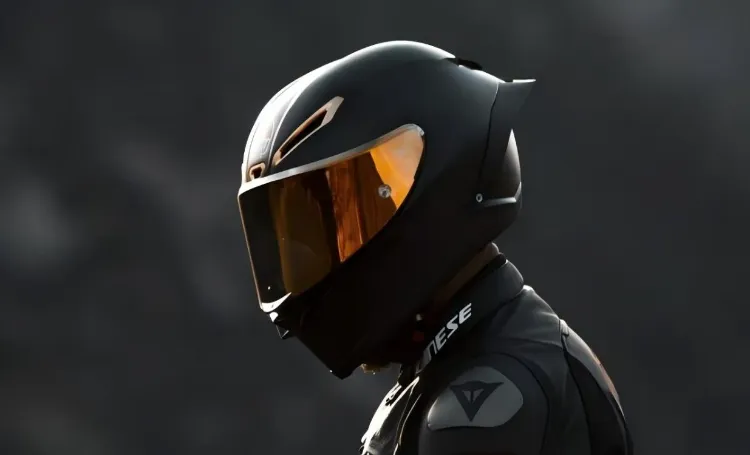
✅ Full-Face Helmets
-
Best compatibility – Almost all full-face helmets have space for speakers and a flat surface for mounting.
-
Why it works: Provides a quiet interior, improving audio quality.
✅ Modular Helmets
-
Good compatibility – Works well but may require careful mounting due to the flip-up mechanism.
-
Tip: Make sure wires don’t interfere with the hinge.

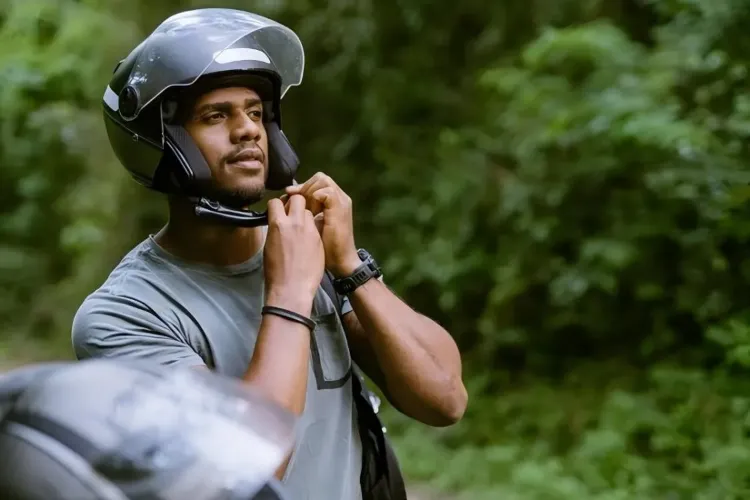
✅ Open-Face Helmets (3/4 Helmets)
-
Easy installation – Plenty of space for mounting and wiring.
-
Downside: Wind noise may affect audio clarity at high speeds.
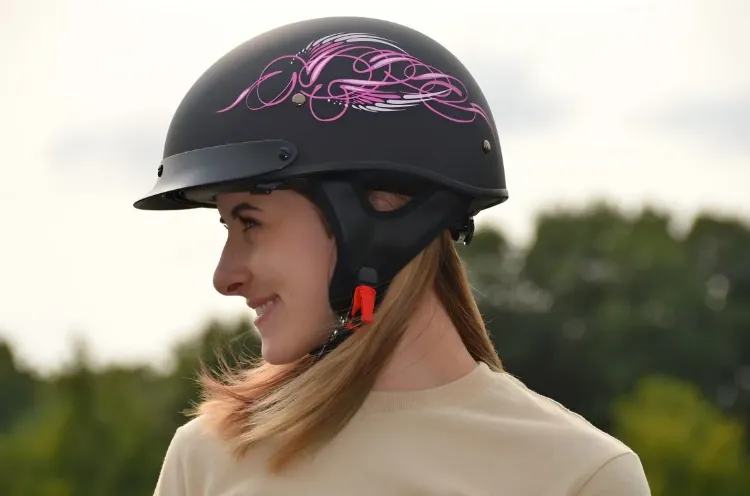
⚠️ Half Helmets
-
Limited compatibility – No padding for internal speakers, so riders often need clip-on or boom-mic headsets.
-
Best solution: Use Bluetooth systems made specifically for half helmets.
⚠️ Racing or Slim-Fit Helmets
-
Challenging fit – Very tight interiors leave little room for speakers.
-
Solution: Choose ultra-thin speakers or helmet-specific models.
Factors That Affect Bluetooth Headset Fit
Even with a “universal” design, fit depends on several factors:
-
Speaker Cutouts: Helmets with built-in cutouts make installation more comfortable.
-
Padding Thickness: Too much padding may reduce audio quality unless adjusted.
-
Mounting Space: Some helmets have curved or uneven edges, making adhesive mounts better than clamps.
-
Helmet Size: Smaller helmets may feel cramped with speakers installed.
How to Choose the Right Bluetooth Headset for Your Helmet
When selecting a headset, keep these points in mind:
-
Check your helmet model – Some brands like Sena or Cardo list compatible helmets.
-
Decide on mounting style – Clamp vs adhesive depending on helmet shape.
-
Look for slim speakers – Ideal for helmets with limited space.
-
Consider helmet-specific headsets – Some manufacturers design units tailored to certain helmets.
Tips for Installing a Bluetooth Headset
-
Clean the surface before applying adhesive mounts.
-
Position the speakers directly over your ears for the best sound.
-
Secure wiring under the padding to avoid discomfort.
-
Test before riding – Make sure buttons, mic, and speakers work properly.
FAQs About Helmet Compatibility
1. Can I use a Bluetooth headset with a half helmet?
Yes, but you’ll need a special design (clip-on or external boom mic systems).
2. Do all helmets have speaker cutouts?
No. Many modern helmets do, but older or budget models may not. You can still fit speakers, but comfort might vary.
3. Will installing a headset damage my helmet?
No, as long as you use proper mounts (clamp or adhesive). Never drill into your helmet shell.
4. Can I move the headset between helmets?
Yes, most Bluetooth headsets are detachable and can be swapped between helmets.
5. What if my helmet is too tight after installation?
Choose ultra-thin speakers or adjust your padding slightly to make space.
Final Verdict: Universal, But Not Perfect
Motorcycle Bluetooth headsets are designed to be compatible with almost all helmets, especially full-face, modular, and open-face types. Half helmets and slim racing helmets may need specialized solutions, but there’s always an option available.
By choosing the right mounting method, checking for internal speaker space, and following installation tips, you can enjoy a seamless Bluetooth experience on nearly any helmet.
So, while the answer isn’t a 100% “yes,” for most riders the reality is: Yes, your Bluetooth headset will fit your helmet.